A Different Kind of Florida Garden
For a long time, food gardens in Florida were treated like a side project. You tucked tomatoes behind the garage, kept herbs in a few pots, and tried not to think about the heat, the pests, or the daily watering. Meanwhile, the front yard stayed “pretty” and the edible plants stayed hidden.
I think that split is finally fading. More clients are asking for landscapes that do something, not just sit there and look nice. They want beauty, but they also want meaning. They want to snack from their yard, make a cocktail with fresh herbs, or teach their kids where food comes from. The exciting part is that we can do all of that while still creating a clean, high-end look. We just have to use the right plants and arrange them with intention.
Florida native edible landscapes are not rustic or messy by default. They can be elegant, resilient, and surprisingly low maintenance.
Why Native Edibles Make Life Easier
Florida’s climate is generous, but it can be punishing if you fight it. Traditional vegetable beds often struggle here. The sun is intense, the rain comes in bursts, and the soil is sandy. You can still grow veggies, but it takes work.
Native edibles are different. They evolved in this exact chaos. They handle salt air, drought spells, and heavy downpours. They don’t need constant fertilizer. They don’t melt in August. They also attract pollinators that help everything else in the garden thrive.
When I design with native edible plants, I’m choosing a garden that wants to live. That’s the foundation of low maintenance luxury.
The Stars of the Edible Native Palette
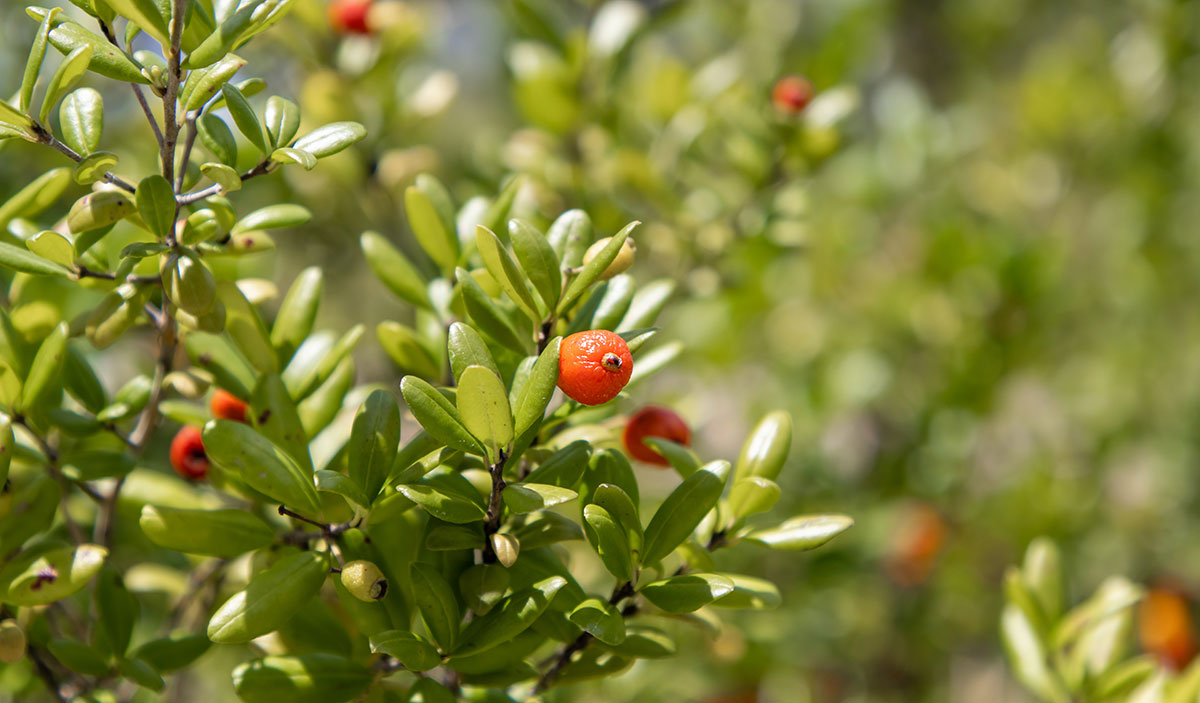
Simpson’s stopper is one of my favorite shrubs for edible landscapes. It gives you glossy green leaves, small white flowers, and bright berries that birds love. You can eat the berries too, and they have a mild, sweet flavor. What I love most is how tidy the plant looks. It can be shaped into a soft hedge, or left looser for a more natural feel.
Beautyberry is another easy one. The berries aren’t everyone’s first choice fresh, but they are great in jelly or syrup. Visually, beautyberry is a showstopper. Those purple clusters look like jewelry against green leaves. In a luxury landscape, it works like an accent color.
Coontie is not edible in a casual snack way, but it’s a big part of Florida food history. Indigenous communities processed its roots into flour after careful preparation. I include coontie because it is tough, sculptural, and it supports the atala butterfly. Even if you never harvest it, it connects your garden to a deeper Florida story.
For true kitchen-ready plants, I add native herbs and related species like Florida rosemary, salt bush, wild basil, and fennel. Some of these are technically naturalized, but they behave well here and they fit the low-water goal. The point is a palette that looks polished and feeds you without daily fuss.
Designing It Like a Luxury Landscape
The difference between a backyard patch and a luxury edible garden is layout. The plants are only half the story.
I use a few principles that always work:
1. Repetition creates elegance.
Instead of planting one of everything, I group plants. Three Simpson’s stoppers in a row look intentional. A drift of beautyberry feels like a design move, not a random choice. This is the same rule we use for ornamental landscapes.
2. Edges make things feel cared for.
A simple limestone border, a metal edging strip, or even a crisp mulched line helps edible plants look refined. The garden can be wild inside the frame, but the frame keeps it classy.
3. Layering makes it lush.
Low groundcovers in front, medium shrubs behind, small trees or tall accents at the back. This gives depth and makes the space feel full without being cluttered. In Florida, layering also creates shade that keeps soil cooler and reduces evaporation.
4. Paths invite use.
If you want people to pick berries or herbs, they need access. I add stepping stones or shell paths that feel like a spa garden, not a farm row. When a path curves gently through edible plants, the whole garden becomes an experience.
A Client Story That Still Makes Me Smile
One of my favorite projects was a waterfront home where the owners were tired of lawn maintenance and wanted something meaningful but still “clean.” They loved entertaining, so the outdoor space had to feel like a resort.
We replaced most of the front lawn with a layered edible native garden. Simpson’s stopper formed the backbone along the walkway. Beautyberry came in clusters near the entry, with muhly grass between for softness. Coontie anchored the corners like living sculpture. We tucked native herbs near the kitchen door in raised planters so they could grab what they needed while cooking.
A few months later, the homeowners called me laughing. They said guests kept wandering into the garden and tasting berries without being prompted. One friend even asked what boutique nursery they bought their “decorative purple plants” from. When they said it was a beautyberry and you could eat it, the friend looked like his whole idea of landscaping had shifted.
That’s what I want from these gardens. Beauty first, then delight, then connection.
Keeping It Low Maintenance
Edible gardens don’t have to be work. Here’s what I build into every design:
- Drip irrigation just for establishment. Once plants root in, many can handle rainfall alone with light backup.
- Mulch to hold moisture and reduce weeds. I like pine straw or natural shredded bark.
- Right plant, right place. Salt-tolerant plants go closer to the water. Shade lovers go under canopy.
- Seasonal pruning, not weekly fussing. Most native shrubs respond well to a once or twice a year tidy-up.
The goal is a garden that looks better each season while asking less from you over time.
The Real Payoff
An edible native garden gives you more than food. It gives you a relationship with your place. You notice bloom cycles, you watch butterflies return, you feel the shift from dry season to wet season in a way you don’t when you’re mowing grass every Saturday.
And yes, you get snacks. You get a handful of berries on a morning walk. You get fresh herbs that actually like the heat. You get a yard that is beautiful enough for a magazine and practical enough for real life.
To me, that is Florida luxury at its best. It is not high maintenance. It is high meaning. It looks like it belongs here because it does.